Do I Need a Permit for a Dumpster in Northeast Florida?
One of the most common questions we hear before a delivery is whether the homeowner needs a permit for the dumpster. The honest answer is that it depends on where the container will sit. For most projects in Northeast Florida, the answer is no. For some, a quick call to your city, county or HOA is worth making before the truck shows up.
Here is how to think through it, what usually decides the answer, and how we help customers sort it out.
Private Property Usually Means No Permit
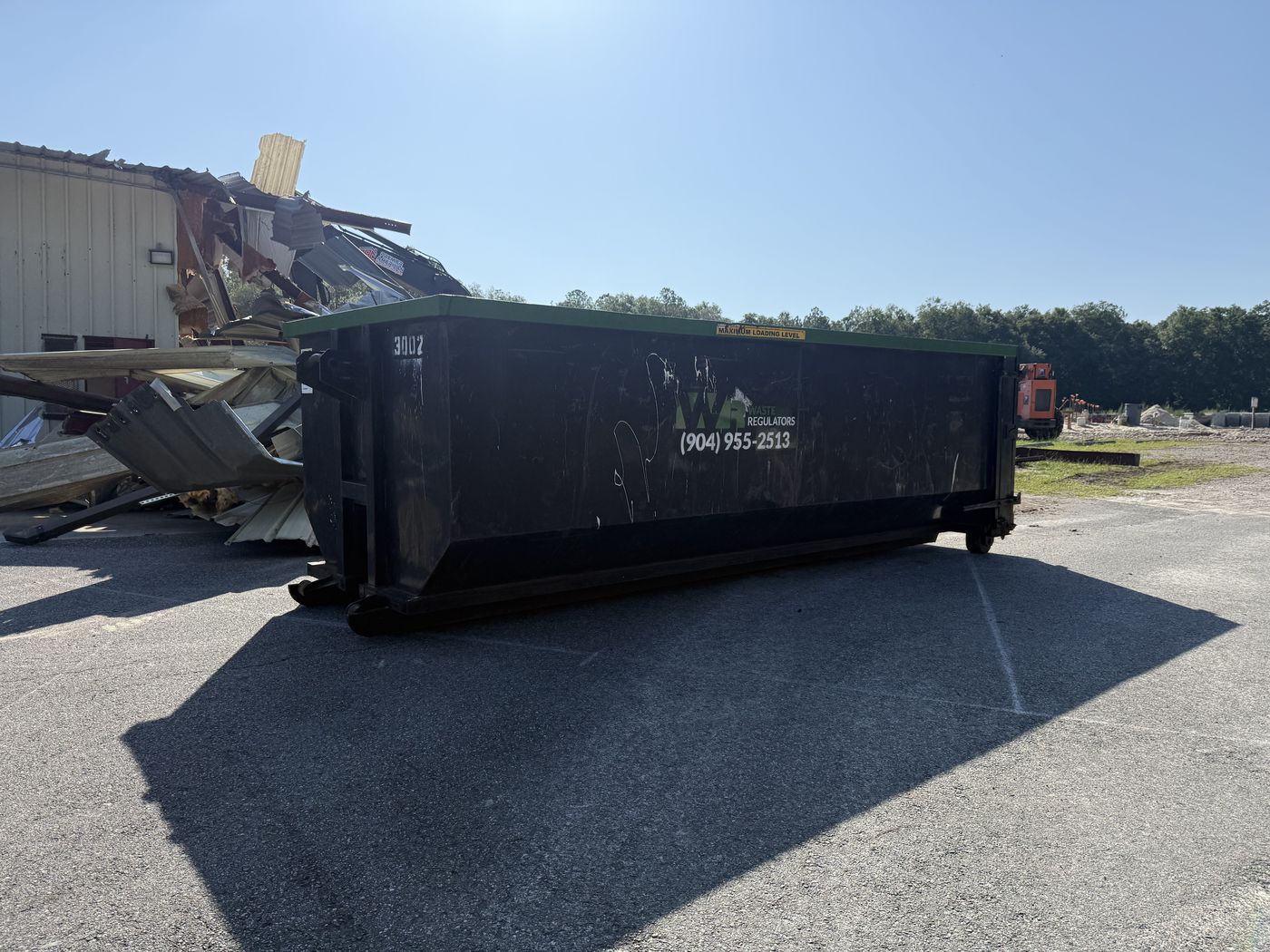
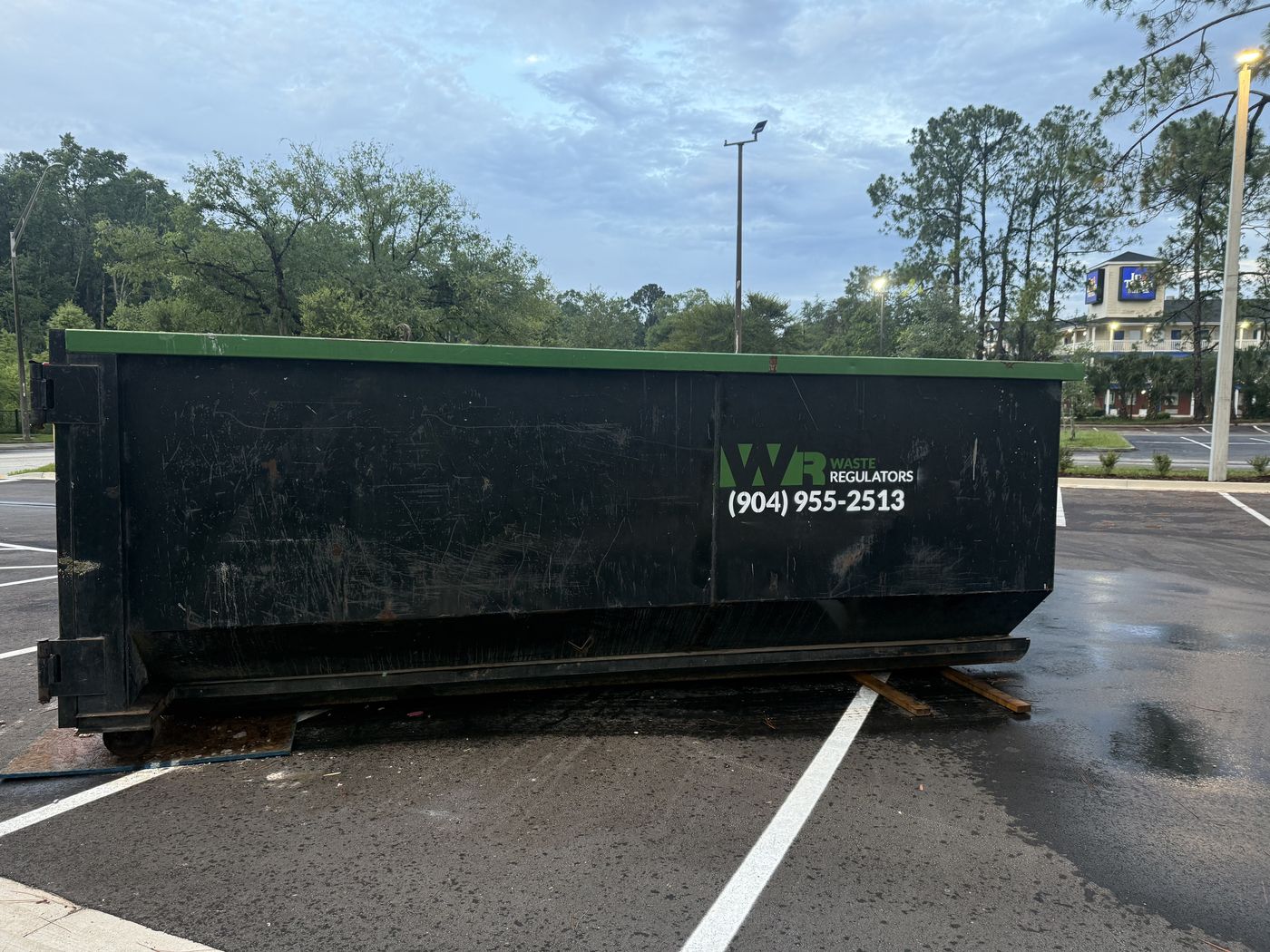
If the dumpster will sit entirely on your own driveway or elsewhere on your private property, you typically do not need a permit. This covers the vast majority of residential projects we serve, from garage cleanouts to kitchen remodels to roof replacements.
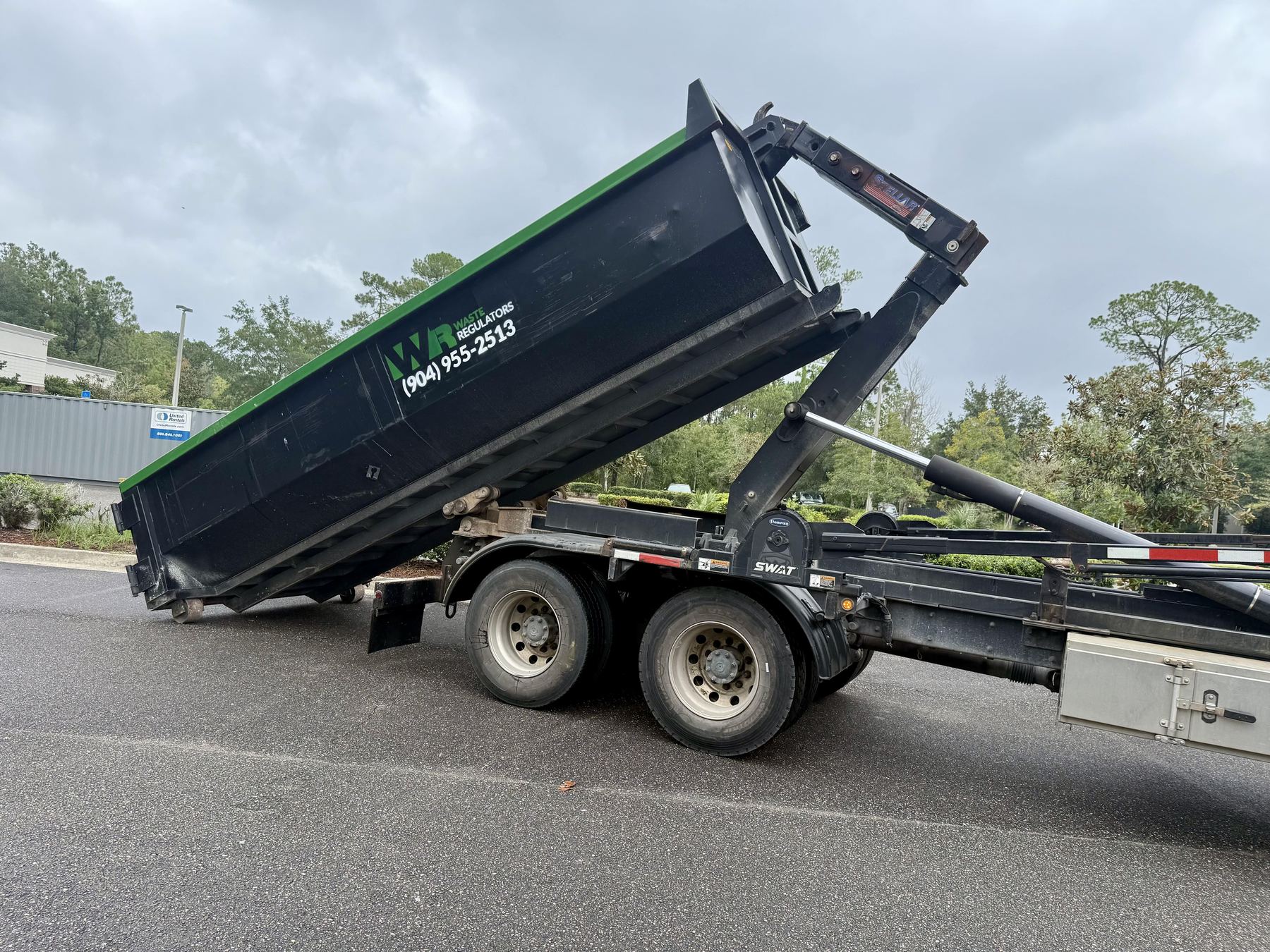
The key word is entirely. If the container, or the truck that has to stage it, ends up hanging over the sidewalk or into the street, the situation can change.
When a Permit or Approval May Be Needed
Placing a dumpster on public property is where approval may come into play. That includes:
- A public street, including the curb lane in front of your house
- A sidewalk or the strip between the sidewalk and the road
- Public right-of-way, such as a shoulder or easement owned by the city or county
Rules for this vary between local governments. Jacksonville and Duval County operate as a consolidated government, while St. Johns, Clay, Putnam and Nassau counties and the cities and towns within them each set their own requirements. A permit in one place may not work the same way a few miles down the road.
Because these requirements can change, we do not want to guess on your behalf. If street or right-of-way placement is your only option, contact your city or county to ask what they require. Give us a call too, and we will help you figure out the right questions to ask.
HOAs Often Have Their Own Rules
Even when no government permit is needed, your homeowners association may have something to say. Many neighborhoods in St. Johns County, Nassau County and the newer parts of Duval and Clay have HOAs, and their rules for containers can include:
- A requirement to notify or get approval from the HOA before delivery
- Limits on how many days a dumpster can stay on the property
- Restrictions on placement, such as driveway only
- Requests to cover the container or keep it tidy
The simplest step is to check your HOA covenants or send a quick email to your management company before you schedule. It is much easier to get approval in advance than to deal with a violation letter in the middle of a project.
Historic Districts Can Add Another Layer
Northeast Florida has some of the oldest neighborhoods in the country, and historic districts sometimes have their own review processes for work on a property. If you live in a designated historic area, such as parts of St. Augustine, Fernandina Beach or older Jacksonville neighborhoods, it is worth asking your local historic preservation office or building department whether anything applies to temporary containers on your project.
Often the bigger permit question in these areas is for the renovation itself, not the dumpster. If your contractor is already pulling permits, ask them to confirm whether the container needs anything extra.
How to Avoid the Permit Question Altogether
The easiest way to skip the permit process is to keep the dumpster fully on your property. A few tips help:
Measure Your Driveway
Before you call, measure the length and width of your driveway and note any slope. Our size comparison lists the dimensions of each container, so you can see what fits. Remember that the delivery truck needs room to back in and set the dumpster down.
Consider a Smaller Size
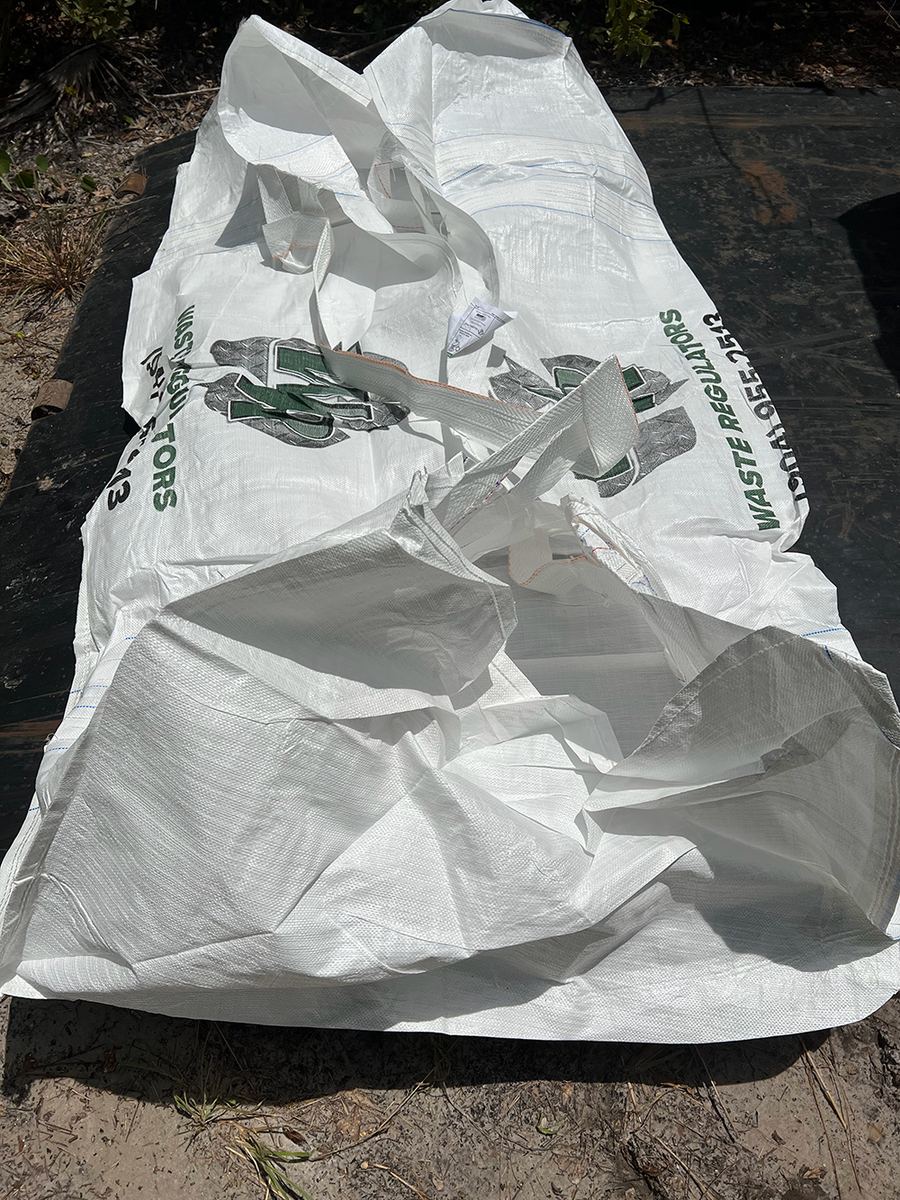
If a large roll-off would spill into the street, a smaller container that stays on the driveway may be the better call. For lighter debris and tight spaces, a dumpster bag has a small footprint and fits places a roll-off cannot.
Check Overhead and Underfoot
Look for low tree limbs, power lines and anything else that could block delivery. In coastal towns and newer subdivisions with sandy soil, a soft lawn is not a good spot for a heavy container. A paved driveway is almost always the best choice.
Questions to Ask Before Delivery
If you are not sure where you stand, these questions will usually get you to an answer quickly:
- Will the dumpster sit completely on my property?
- Does my HOA have rules about containers, notice or time limits?
- Is my home in a historic district?
- If I need street placement, what does my city or county require, and how long does approval take?
- Is my contractor already handling permits for the project?
Who Is Responsible for Getting a Permit?
When a permit is required for public placement, it is generally the responsibility of the customer or their contractor to obtain it before delivery. That said, you are not on your own. We place dumpsters across Duval, St. Johns, Clay, Putnam and Nassau counties every week, and we are glad to talk through your situation and point you in the right direction.
If something changes, such as an HOA asking you to move the container, call us. We would rather help you adjust than have a project stall.
Plan Placement When You Book
When you schedule your residential dumpster service, tell us where you want the container and what is around that spot. We will let you know if anything looks like a concern and suggest the best size for the space.
Talk to a Local Team Before You Book
Waste Regulators is a locally owned company that knows Northeast Florida neighborhoods. If you are unsure whether you need a permit, give us a call and we will help you figure it out. When you are ready, request a quote or call (904) 955-2513.